
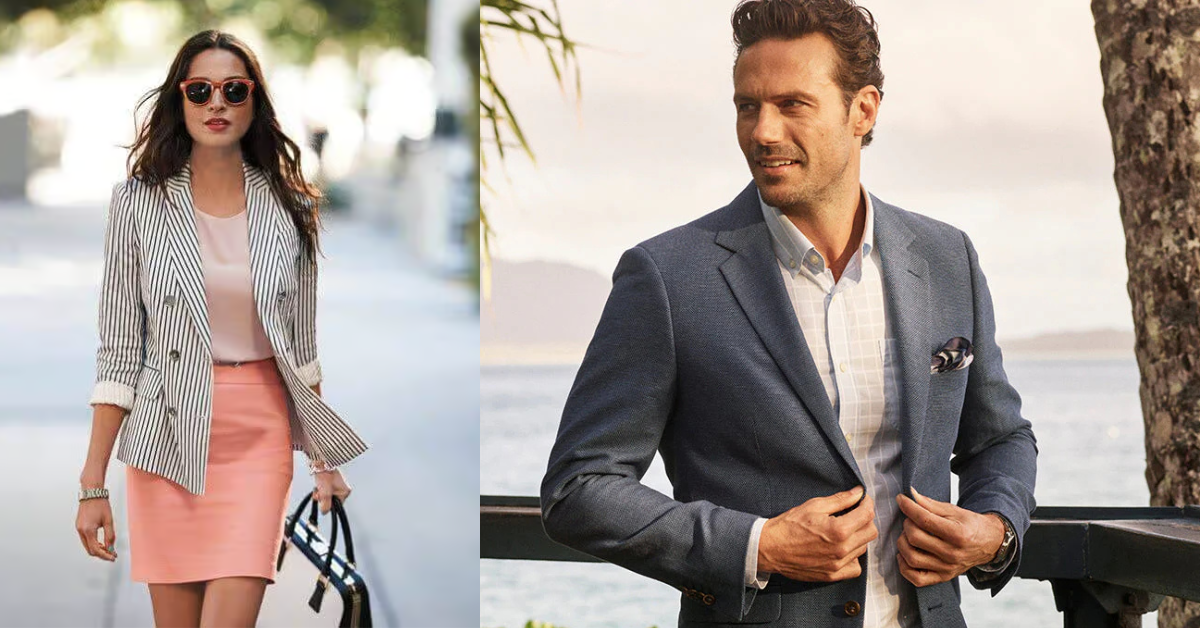
When temperatures rise, dressing professionally becomes a balancing act. Nobody wants to sit through meetings feeling overheated, yet showing up underdressed is not the solution either. That is why understanding summer business casual dressing matters more than ever.
Modern workplaces have evolved. Many offices now encourage flexible dress codes that combine comfort with professionalism. However, flexibility can sometimes create confusion. One office may allow sneakers and polo shirts, while another expects lightweight blazers and polished loafers.
This guide breaks down everything you need to know about dressing smartly during warmer months. From breathable fabrics to office-ready outfit ideas, you will learn how to stay cool, confident, and workplace appropriate without sacrificing personal style.
Understanding Business Casual in Warm Weather
Business casual is often misunderstood because it sits between formal office wear and relaxed clothing.
Traditional business attire usually includes:
- Full suits
- Structured jackets
- Formal dress shirts
- Conservative footwear
- Corporate styling
Warm-weather office fashion, however, focuses on maintaining professionalism while adapting to seasonal conditions.
The goal is simple:
Look polished, feel comfortable, and respect workplace expectations.
What Makes It Different From Casual Wear?
Many people confuse casual clothing with office-friendly attire.
Here is a simple comparison:
| Casual Clothing | Office-Friendly Clothing |
|---|---|
| Graphic T-shirts | Button-down shirts |
| Beach sandals | Leather loafers |
| Athletic shorts | Tailored trousers |
| Tank tops | Polished blouses |
| Flip-flops | Closed-toe shoes |
The difference lies in structure, presentation, and professionalism.
Even relaxed workplaces usually expect clothing that appears intentional and well maintained.
Why Workplace Dress Matters
Clothing affects first impressions.
Whether you work in finance, marketing, technology, consulting, or customer-facing roles, appearance contributes to how others perceive your professionalism.
Research and workplace experience consistently suggest that thoughtful dressing may influence:
- Confidence
- Professional image
- Workplace credibility
- Team interaction
- Leadership perception
- Client trust
This does not mean dressing expensively.
Rather, it means dressing appropriately.
Moreover, comfortable clothing helps people focus better during long workdays.
Choosing the Right Fabrics
The secret to warm-weather dressing often starts with fabric selection.
Heavy materials trap heat and create discomfort. Breathable textiles allow airflow and improve comfort throughout the day.
Lightweight Fabric Options
Cotton
Cotton remains a classic choice.
Benefits include:
- Breathability
- Soft texture
- Easy maintenance
- Versatility
Cotton shirts, dresses, and chinos work well for many office settings.
Linen
Linen is widely appreciated during warmer months.
Advantages include:
- Cooling effect
- Natural texture
- Lightweight feel
- Relaxed sophistication
However, linen wrinkles easily. Therefore, blended versions may offer a more polished appearance.
Chambray
Chambray delivers the look of denim without excessive weight.
It pairs well with:
- Khaki trousers
- Neutral skirts
- Office jackets
- Smart footwear
Moisture-Wicking Blends
Modern performance fabrics combine style with functionality.
These materials often provide:
- Sweat management
- Stretch comfort
- Reduced wrinkles
- Easier care
In addition, many professionals prefer these options for commuting.
Summer Business Casual Essentials
Building a practical office wardrobe becomes easier with staple pieces.
Instead of buying large amounts of clothing, focus on versatile essentials.
Summer Business Casual Wardrobe Staples
A balanced wardrobe supports daily dressing without stress.
For Men
Recommended pieces include:
- Lightweight chinos
- Tailored trousers
- Oxford shirts
- Polo shirts
- Lightweight blazer
- Loafers
- Minimal sneakers if permitted
- Neutral belts
For Women
Popular options include:
- Midi dresses
- Tailored pants
- Blouses
- Lightweight cardigans
- Pencil skirts
- Structured tops
- Ballet flats
- Low heels
These staples mix easily and create multiple outfit combinations.
Color Choices for Warm Seasons
Color plays a major role in seasonal dressing.
Dark shades absorb heat, whereas lighter tones often feel fresher.
Popular workplace colors include:
- Beige
- Navy
- White
- Light blue
- Olive
- Gray
- Soft pastel tones
- Earthy neutrals
Bright colors may work as accents rather than dominating the entire outfit.
Moreover, neutral palettes allow easier coordination.
Outfit Ideas for Men
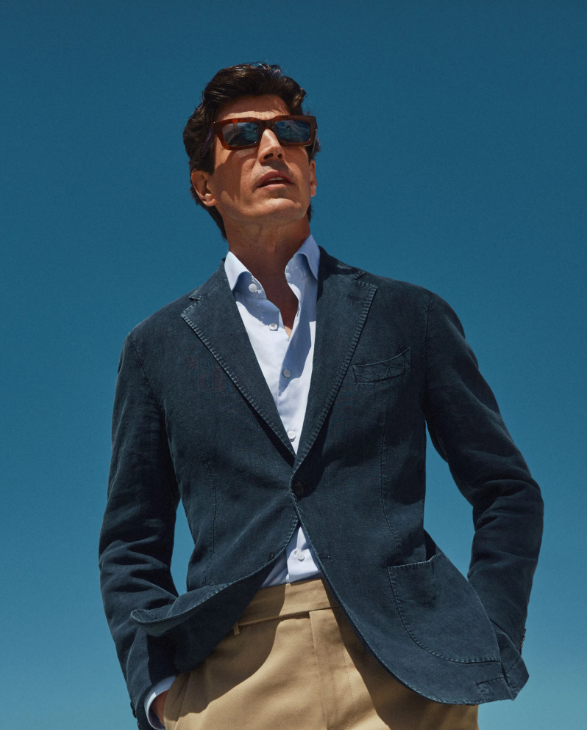
Some professionals struggle with daily outfit decisions.
These combinations simplify the process.
Professional and Lightweight
- Light blue shirt
- Beige chinos
- Brown loafers
- Leather watch
Smart Relaxed Office Look
- Polo shirt
- Navy trousers
- Minimal belt
- Lightweight jacket
Client Meeting Style
- Linen blazer
- White shirt
- Tailored trousers
- Polished footwear
Each combination maintains professionalism while reducing heat discomfort.
Outfit Ideas for Women
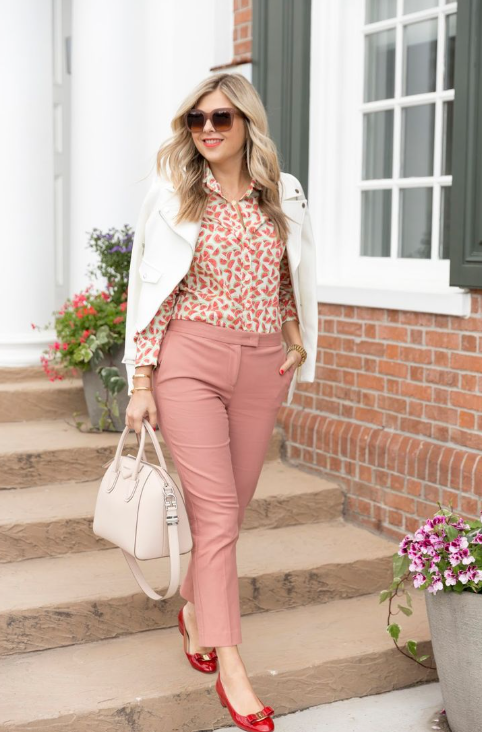
Women often have broader styling flexibility, yet workplace standards still matter.
Polished Office Look
- Neutral blouse
- Tailored trousers
- Closed-toe flats
- Structured handbag
Elegant Workday Style
- Midi dress
- Light cardigan
- Minimal accessories
- Comfortable shoes
Creative Industry Outfit
- Relaxed blazer
- Wide-leg pants
- Simple jewelry
- Smart flats
These looks support comfort and confidence.
Key Features of Smart Office Dressing
Good office clothing delivers more than appearance.
Breathability
Clothing should allow airflow and reduce overheating.
Versatility
Pieces should work across meetings, commuting, and after-work events.
Professional Presentation
Wrinkle-free and tailored clothing creates a refined impression.
Comfort
People perform better when clothing supports movement and comfort.
Also Read: Martha Stewart Swimsuit The Story Behind Her Viral Cover Moment
These features add practical value to daily work life.
Benefits for Businesses
Professional dress is not only a personal concern.
Organizations also benefit from thoughtful dress expectations.
Improved Brand Image
Clients often notice presentation.
A polished workforce may strengthen business credibility.
Stronger Workplace Culture
Clear dress expectations reduce confusion and encourage professionalism.
Employee Confidence
Comfortable employees frequently feel more prepared and focused.
Better Client Interaction
Appearance can influence trust and communication.
Therefore, balanced workplace fashion supports both individuals and organizations.
Why Choose Flexible Dress Standards
Modern companies increasingly adopt relaxed professional attire policies.
Why?
Because workplace expectations have changed.
Remote work, hybrid schedules, and evolving company cultures encourage practical solutions.
Benefits include:
- Greater employee comfort
- Improved morale
- Reduced wardrobe expenses
- Enhanced workplace satisfaction
- Stronger self-expression
However, flexibility still requires boundaries.
Professionalism remains important.
Common Mistakes to Avoid
Even experienced professionals occasionally misjudge workplace clothing.
Avoid these common mistakes.
Clothing That Is Too Casual
Examples include:
- Athletic shorts
- Beachwear
- Graphic tops
- Flip-flops
Overly Tight or Revealing Pieces
Professional settings require balanced styling.
Ignoring Grooming
Well-maintained clothing matters.
Wrinkled garments or worn shoes may weaken overall presentation.
Excessive Accessories
Simple styling often appears more professional.
Moderation creates polish.
Dressing for Different Industries
Not every office follows identical standards.
Industry culture matters.
Corporate Offices
Usually more conservative.
Recommended:
- Structured clothing
- Neutral tones
- Polished footwear
Creative Industries
Often more flexible.
Appropriate choices may include:
- Stylish separates
- Fashion-forward cuts
- Modern silhouettes
Technology Workplaces
Typically relaxed.
However, clean and intentional dressing still matters.
Customer-Facing Roles
Presentation directly affects public perception.
Therefore, professional styling remains valuable.
Accessories That Complete the Look
Accessories should support rather than overwhelm an outfit.
Useful options include:
- Watches
- Minimal jewelry
- Structured bags
- Leather belts
- Sunglasses outdoors
- Professional backpacks
Small details often elevate appearance.
Moreover, practical accessories improve daily convenience.
Building a Seasonal Capsule Wardrobe
A capsule wardrobe reduces decision fatigue.
The idea involves selecting fewer high-quality pieces that coordinate easily.
Suggested capsule list:
- Two lightweight trousers
- Two blouses or shirts
- One blazer
- One dress or smart alternative
- Neutral shoes
- Seasonal layering piece
This strategy saves time and supports consistency.
Sustainable and Smart Fashion Choices
Many professionals now prioritize sustainability.
Thoughtful purchasing offers several benefits:
- Reduced waste
- Longer garment life
- Better quality
- Financial savings
Buying versatile pieces often proves more practical than chasing trends.
In addition, sustainable fashion supports responsible consumer habits.
Conclusion
Understanding summer business casual dressing helps professionals navigate warmer months with confidence and style. The right clothing combines comfort, professionalism, and personal expression without compromising workplace standards.
From breathable fabrics and versatile wardrobe staples to industry-specific advice, thoughtful dressing creates real value for both employees and businesses. Moreover, a polished appearance can improve confidence and support stronger workplace interactions.
Now is the perfect time to explore your wardrobe, refine your professional style, and build outfits that help you look sharp while staying comfortable throughout the season.
FAQs
What does summer business casual mean?
It refers to professional clothing designed for warm weather while maintaining workplace appropriateness.
Are jeans acceptable?
Some offices allow dark, clean denim. However, workplace policies vary.
Can sneakers be worn?
Minimal and polished sneakers may work in relaxed environments.
Is summer business casual suitable for formal meetings?
Yes, if styled thoughtfully with structured pieces and polished footwear.
What fabrics work best?
Cotton, linen, and breathable blends are usually preferred.
Keep in the loop! Visit Fashion Edit Studio for updates.