
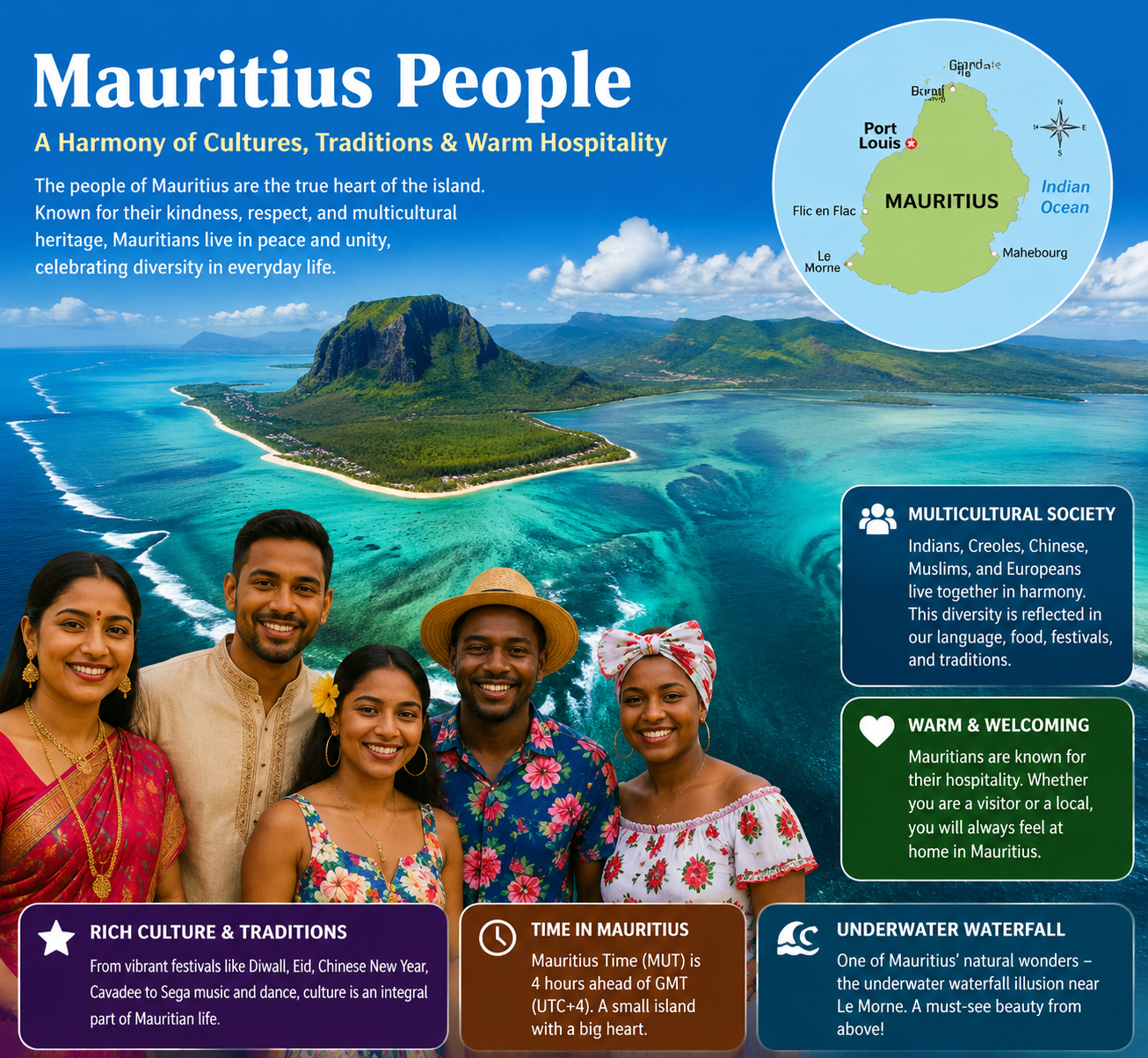
Mauritius, an island nation in the Indian Ocean, is renowned for its stunning landscapes, turquoise waters, and pristine beaches. Yet, beyond the postcard-perfect scenery, what truly defines this paradise is its people. Understanding Mauritius people offers a window into the rich tapestry of cultures, traditions, and lifestyles that make this nation unique. From their diverse ancestry to the harmonious coexistence of multiple religions, the inhabitants of Mauritius embody resilience, warmth, and a spirit of community that is both captivating and inspiring.
The story of Mauritius people is intertwined with the island’s history, geography, and economic evolution. Travelers exploring the underwater waterfall Mauritius or navigating the vibrant streets marked on a Mauritius map quickly realize that the essence of the island lies not only in its natural wonders but in the daily lives and customs of its inhabitants.
Demographics and Ethnic Composition
Mauritius people are among the most ethnically diverse populations in the world. The majority are of Indo-Mauritian descent, tracing their roots to laborers brought from India during the 19th century under British colonial rule. This Indian influence is evident in Mauritius’s festivals, cuisine, and languages. Alongside the Indo-Mauritians are Creoles, primarily of African and French descent, whose cultural expressions can be seen in music, dance, and culinary traditions. Sino-Mauritians, descendants of Chinese migrants, contribute to the island’s commercial vibrancy, while Franco-Mauritians maintain a historical presence reflecting the colonial legacy.
This diversity shapes the social fabric of the nation, creating a dynamic blend of languages, religions, and cultural practices. Mauritius people often speak multiple languages fluently, including English, French, and Creole, reflecting the island’s colonial history and global interactions. Daily interactions showcase this linguistic richness, as markets, schools, and workplaces resonate with a polyglot energy that is unique to the island.
Cultural Practices and Traditions
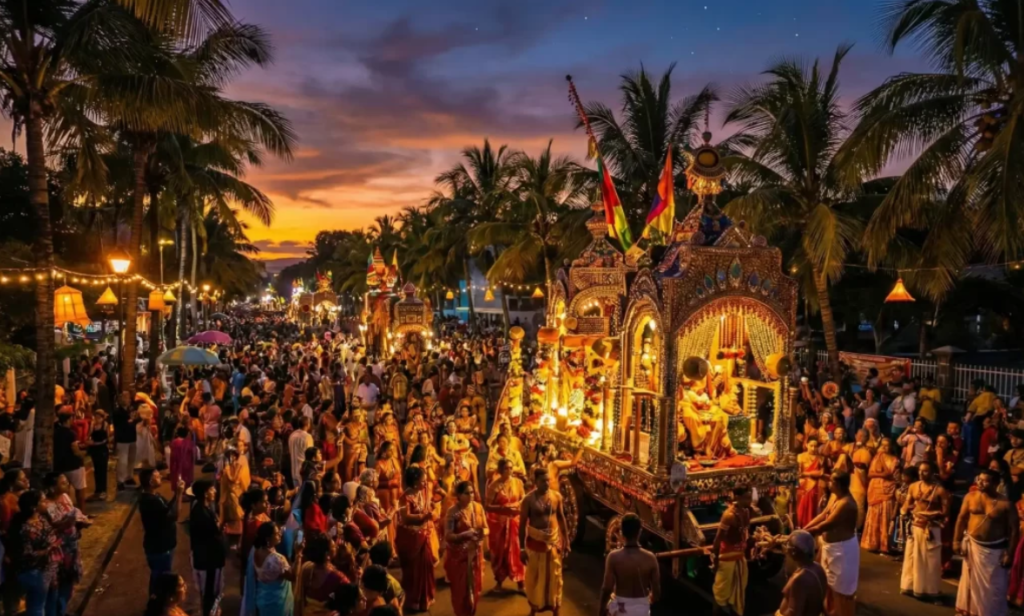
The culture of Mauritius people is a vibrant mosaic. Traditional celebrations such as Diwali, Eid, Chinese New Year, and Cavadee illustrate the island’s multicultural spirit. Families gather for feasts, perform rituals, and engage in community celebrations, reinforcing social cohesion and intergenerational bonds. Music and dance are central to cultural life, with Sega—a traditional Creole dance and musical form—serving as a symbol of the island’s identity. Sega music combines African rhythms with Indian and European influences, embodying the hybrid nature of Mauritius society.
Cuisine is another lens through which one can appreciate the lives of Mauritius people. Local dishes blend flavors from Indian, Chinese, French, and Creole culinary traditions. Street food vendors offer dishes such as dholl puri, samosas, and gateaux piments, allowing locals and tourists alike to savor the island’s gastronomic heritage. Food, in Mauritius, is not merely sustenance; it is a medium for social connection and cultural expression.
Daily Life and Social Norms
The rhythm of daily life in Mauritius reflects a balance between work, family, and community engagement. Many Mauritius people live in close-knit neighborhoods where communal ties are strong. The practice of mutual assistance and shared celebrations strengthens social cohesion. Education is highly valued, and literacy rates in Mauritius are among the highest in Africa, reflecting a national emphasis on learning and personal development.
The economic activities of Mauritius people are diverse. While tourism, sugar production, and textile industries form significant portions of the economy, small-scale entrepreneurs and family-run businesses are central to local life. Markets buzz with activity as residents sell fruits, handicrafts, and artisanal goods, contributing to a vibrant micro-economy. Tourism, in particular, allows visitors to witness the hospitality and entrepreneurial spirit of Mauritius people firsthand.
Religion and Spirituality
Religious diversity is a defining characteristic of Mauritius people. Hinduism is the most widely practiced religion, followed by Christianity, Islam, and Buddhism. Places of worship—temples, mosques, churches, and pagodas—dot the island, often in close proximity, reflecting a culture of religious tolerance. Festivals provide moments of communal celebration where Mauritius people express devotion through rituals, music, and dance, enriching the island’s social tapestry. Spiritual practices are woven into daily life, influencing family routines, dietary customs, and moral frameworks.
Geography and Its Influence on Lifestyle
The geography of Mauritius plays a critical role in shaping the lifestyle of its people. Coastal areas offer opportunities for fishing, tourism, and water sports, while inland regions support agriculture and horticulture. The famed underwater waterfall Mauritius illusion, a remarkable natural spectacle off the island’s southwestern coast, attracts tourists and underscores the connection between the people and their environment. This phenomenon, created by sand and silt sediment patterns in the ocean, highlights how Mauritius people live in harmony with the island’s geography, embracing both land and sea in their daily lives.
The Mauritius map illustrates the spatial diversity of the island, with urban centers like Port Louis serving as hubs of commerce and education, while rural communities preserve traditional practices and agricultural lifestyles. Transportation and infrastructure facilitate mobility, enabling Mauritius people to balance modern urban life with the tranquility of village living.
Education and Modernity
Mauritius people place a high value on education as a pathway to personal advancement and national development. The country boasts a well-developed educational system, including primary, secondary, and tertiary institutions, that emphasizes bilingual proficiency and technical skills. Universities attract both local and international students, fostering a culture of intellectual curiosity and professional growth.
Modern Mauritius people navigate a globalized world while maintaining local traditions. Technology and internet access have transformed communication, commerce, and social engagement. Social media platforms allow Mauritius people to share cultural expressions, promote tourism, and engage with the wider world, bridging traditional values with contemporary opportunities.
Health and Wellbeing
Public health and access to medical care are priorities for Mauritius people. The healthcare system offers preventive and curative services, ensuring community health and longevity. Traditional medicine practices, often herbal-based, coexist with modern medical approaches, illustrating the blend of cultural knowledge and scientific advancement. Lifestyle practices, including physical activity and diet, contribute to a generally high standard of wellbeing among Mauritius people.
Tourism Interaction and Global Perception
Mauritius people play a pivotal role in the island’s global appeal. Their warmth, hospitality, and cultural openness enhance the experiences of visitors. Tourists often remark on the friendly interactions with local guides, artisans, and service providers. Sites such as the underwater waterfall Mauritius or historical locations marked on a Mauritius map become more than scenic attractions; they are stages for cultural exchange between locals and travelers. This interaction not only benefits the economy but also strengthens cross-cultural understanding and appreciation.
Challenges and Opportunities
Like any society, Mauritius people face challenges related to economic disparities, climate change, and the pressures of globalization. Rising sea levels and environmental shifts threaten coastal communities, requiring adaptive strategies. Nevertheless, the resilience, education, and entrepreneurial spirit of Mauritius people position them to address these challenges effectively. Investment in sustainable tourism, renewable energy, and education provides opportunities for long-term prosperity while preserving cultural and natural heritage.
Conclusion
The people of Mauritius are the heartbeat of this island nation. Their diversity, cultural richness, and harmonious coexistence form the foundation of the country’s identity. From their ancestral traditions to modern engagements with technology and global commerce, Mauritius people exemplify a unique blend of history, adaptability, and warmth. Visitors navigating a Mauritius map, witnessing the underwater waterfall Mauritius, or simply sharing meals with locals, come away with a profound appreciation for the human dimension of this island paradise. The story of Mauritius people is a testament to the resilience of culture, the joy of community, and the enduring allure of human connection.
FAQs
What languages do Mauritius people speak?
Mauritius people are multilingual, commonly speaking English, French, and Creole, with some also conversant in Hindi, Bhojpuri, or Chinese.
What is the main religion in Mauritius?
Hinduism is the predominant religion, but Christianity, Islam, and Buddhism are also practiced, reflecting the island’s multicultural heritage.
What is unique about the underwater waterfall Mauritius?
The underwater waterfall is an optical illusion off the southwestern coast of Mauritius, created by sand and silt moving into deeper ocean layers, offering a breathtaking sight for tourists and locals alike.
Keep in the loop! Visit Fashion Edit Studio for updates.