
You typed “best matcha near me” because you want an actual answer, not a list of ten cafes copy-pasted from somewhere else. Maybe you just discovered matcha lattes and want to know what “good” even tastes like. Maybe you’re a longtime fan tired of watery, bitter cups that taste nothing like the vibrant, slightly sweet drink you had once and can’t stop chasing.
Either way, here’s the honest truth: the “best” matcha spot isn’t the same for everyone, and no article can hand you a guaranteed answer for your exact street address. What this guide can do is teach you exactly what separates great matcha from mediocre matcha, so you can walk into any cafe near you and know within one sip whether it’s worth going back to.
What Actually Makes Matcha “The Best”
Before you judge any matcha near you, it helps to know what you’re tasting for. Matcha quality comes down to a handful of factors that most articles skip over.
Grade of the Matcha Powder
Matcha comes in different grades, and this is the single biggest factor in taste:
- Ceremonial grade – Made from the youngest, shade-grown tea leaves. Smooth, naturally sweet, vibrant green, and meant to be drunk with just water. This is what you want in a straight matcha shot or a simple latte.
- Premium/latte grade – Slightly more robust flavor, holds up well against milk. A good middle-ground for lattes.
- Culinary/cooking grade – More bitter and less expensive, meant for baking or blended drinks with lots of sugar. If your “matcha latte” tastes mostly bitter and chalky, this is probably what’s in your cup.
A cafe using culinary-grade matcha isn’t necessarily a scam — plenty of good bakeries use it for cookies or cakes. But if a cafe charges a premium price for a plain matcha latte made with culinary-grade powder, that’s a sign to look elsewhere.
How It’s Prepared
Great matcha is whisked, not just stirred with hot water. A properly whisked matcha has a light foam on top and no clumps at the bottom of the cup. If your matcha looks like green dust settled in warm water, the barista likely didn’t sift or whisk it properly.
Color Tells You a Lot
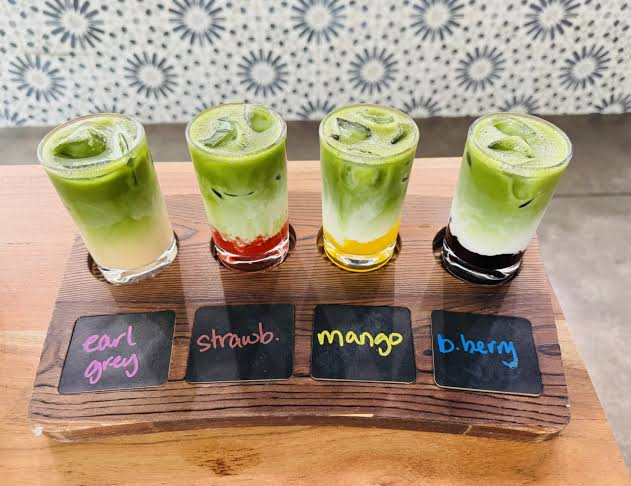
Fresh, high-quality matcha is a bright, almost neon green. If your drink looks dull, olive, or brownish-green, the matcha may be old, low-grade, or oxidized. This one visual check alone can save you from a disappointing cup.
How to Find the Best Matcha Near You
Here’s a practical, step-by-step way to search rather than just trusting the first result that pops up.
- Search on Google Maps, not just Google Search. Maps shows real reviews, photos, and current hours. Filter by rating and read the most recent reviews first — matcha quality can change with staff turnover.
- Look at customer photos, not just the menu photo. Cafes often photograph their best-looking drink for the menu. Real customer photos show you what you’ll actually get.
- Check if they specify the matcha brand or origin. Cafes that mention where their matcha comes from (for example, Uji, Japan, or a named Japanese tea farm) usually care more about quality than ones that don’t mention it at all.
- Read reviews for specific words, like “authentic,” “not too sweet,” “vibrant green,” or on the flip side, “bitter,” “clumpy,” or “artificial-tasting.”
- Call ahead if you’re picky about grade. A quick “Do you use ceremonial-grade matcha for your lattes?” tells you a lot about how seriously a cafe treats the drink — and how they answer matters too.
Specialty Tea Shops vs. Regular Coffee Shops
| Type of Shop | Pros | Watch Out For |
|---|---|---|
| Dedicated matcha/tea shops | Usually higher-grade matcha, knowledgeable staff, more preparation styles | Can be pricier, fewer locations |
| Coffee shop chains | Convenient, consistent hours, familiar menu | Matcha often an afterthought, lower grade powder, sweeter syrups added |
| Japanese bakeries/cafes | Often authentic, matcha used in both drinks and desserts | Limited drink customization |
| Boba/tea shops | Wide variety of matcha drink styles | Quality varies a lot shop to shop |
If you have a dedicated matcha or Japanese tea shop nearby, it’s usually worth trying before defaulting to a big coffee chain.
Questions to Ask Before You Order
A few quick questions can save you from a bad cup:
- What grade of matcha do you use?
- Is it whisked to order or pre-mixed in a big batch?
- Can I get it less sweet, or with the syrup on the side?
- Do you have an unsweetened or “shot” version so I can taste the matcha itself?
Asking for it “less sweet” or with syrup on the side is one of the easiest ways to actually taste the matcha instead of just sugar.
Signs of Low-Quality Matcha (Red Flags)
Watch for these before you commit to a full order:
- Powder that looks yellowish-green or brownish rather than bright green
- A drink that’s mostly sweet with barely any matcha flavor
- Clumps of unmixed powder floating in the cup
- A stale, dusty smell instead of a fresh, slightly grassy aroma
- Staff who can’t tell you anything about the matcha they’re using
None of these automatically mean a cafe is bad overall — but they’re strong signs the matcha itself isn’t a priority there.
Making Great Matcha at Home (If You Can’t Find a Good Spot Nearby)
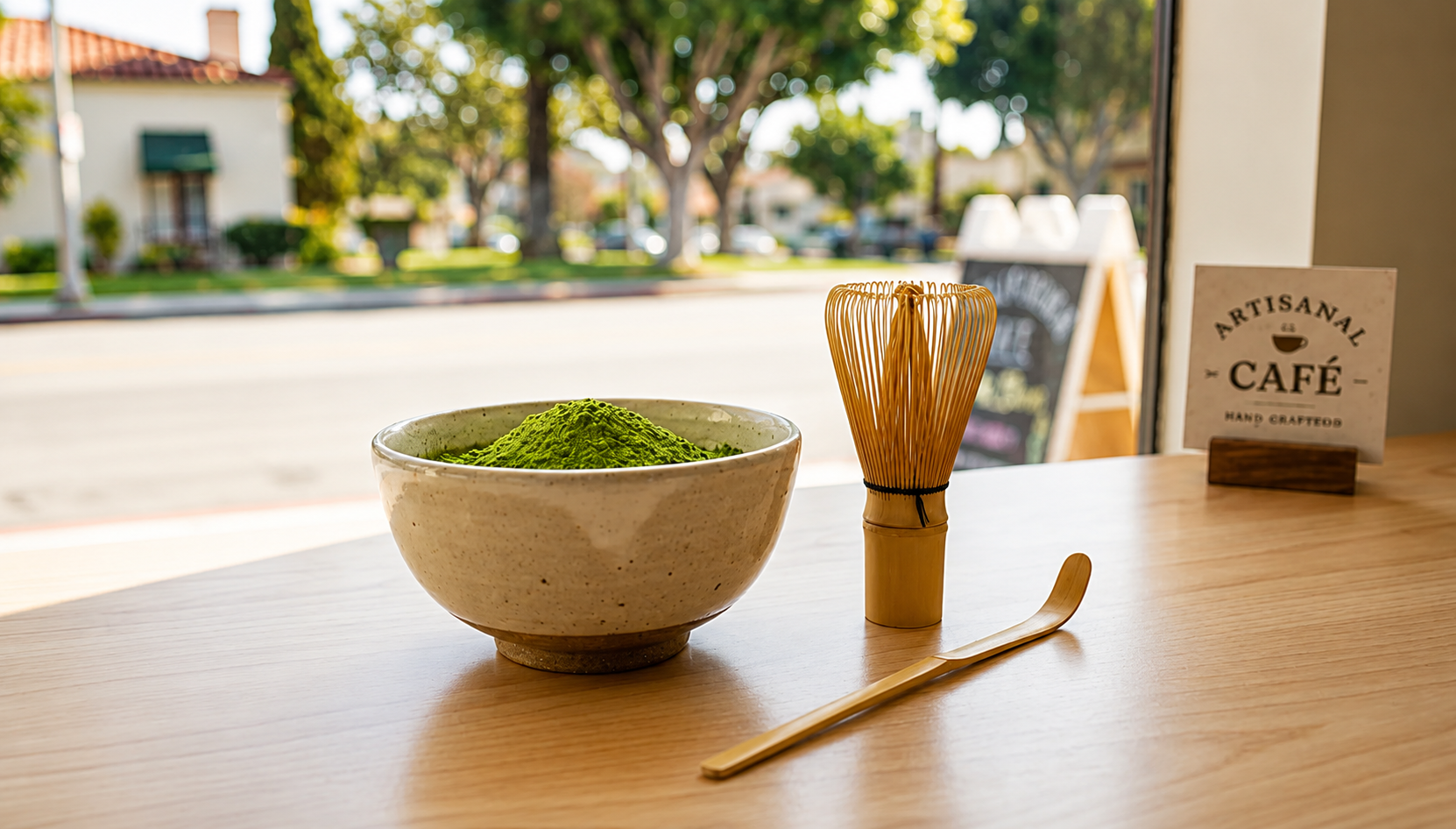
If your area doesn’t have a strong matcha scene yet, you’re not stuck. A basic setup — a bamboo whisk (chasen), a sifter, and a decent ceremonial-grade matcha — costs less than a few weeks of cafe visits and gives you full control over quality. Sifting the powder before whisking removes clumps and is the single step most home-brewers skip.
READ MORE: Alisabeth Brown Artist, Family, and Career Facts
Final Thoughts
The best matcha near you probably isn’t the cafe with the flashiest social media presence — it’s the one that treats matcha as more than a trendy green add-on. Use the checklist in this guide: check the grade, look at the color, read recent reviews carefully, and don’t be afraid to ask questions before you order. A little bit of knowledge turns “best matcha near me” from a guessing game into an actual discovery.
FAQs
What is the best grade of matcha for a latte?
Ceremonial or premium/latte-grade matcha works best for lattes. Culinary-grade matcha is more bitter and is usually meant for baking, not drinking on its own.
Is matcha from a coffee chain as good as matcha from a specialty tea shop?
Not usually. Coffee chains often use lower-grade matcha and rely on sweeteners to mask bitterness, while specialty tea shops tend to focus more on matcha quality and preparation.
How can I tell if matcha is fresh?
Fresh matcha has a bright, vivid green color and a light grassy smell. Dull, brownish, or yellowish matcha is usually old or lower quality.
Should matcha be sweet or bitter?
Good matcha has a natural, mild sweetness with a slight earthy or grassy note — it shouldn’t be aggressively bitter or need heavy sweetening to taste good.
Is it okay to ask a cafe what matcha grade they use?
Yes, and it’s a great way to judge how seriously they take the drink. Cafes that know their matcha grade and sourcing are usually more careful about preparation too.
Can I find good matcha outside of big cities?
While big cities have more specialty tea shops, many local bakeries, Asian grocery stores, and independent cafes in smaller towns also carry quality matcha — it just takes a bit more searching and reading reviews.
Keep in the loop! Visit Fashion Edit Studio for updates.